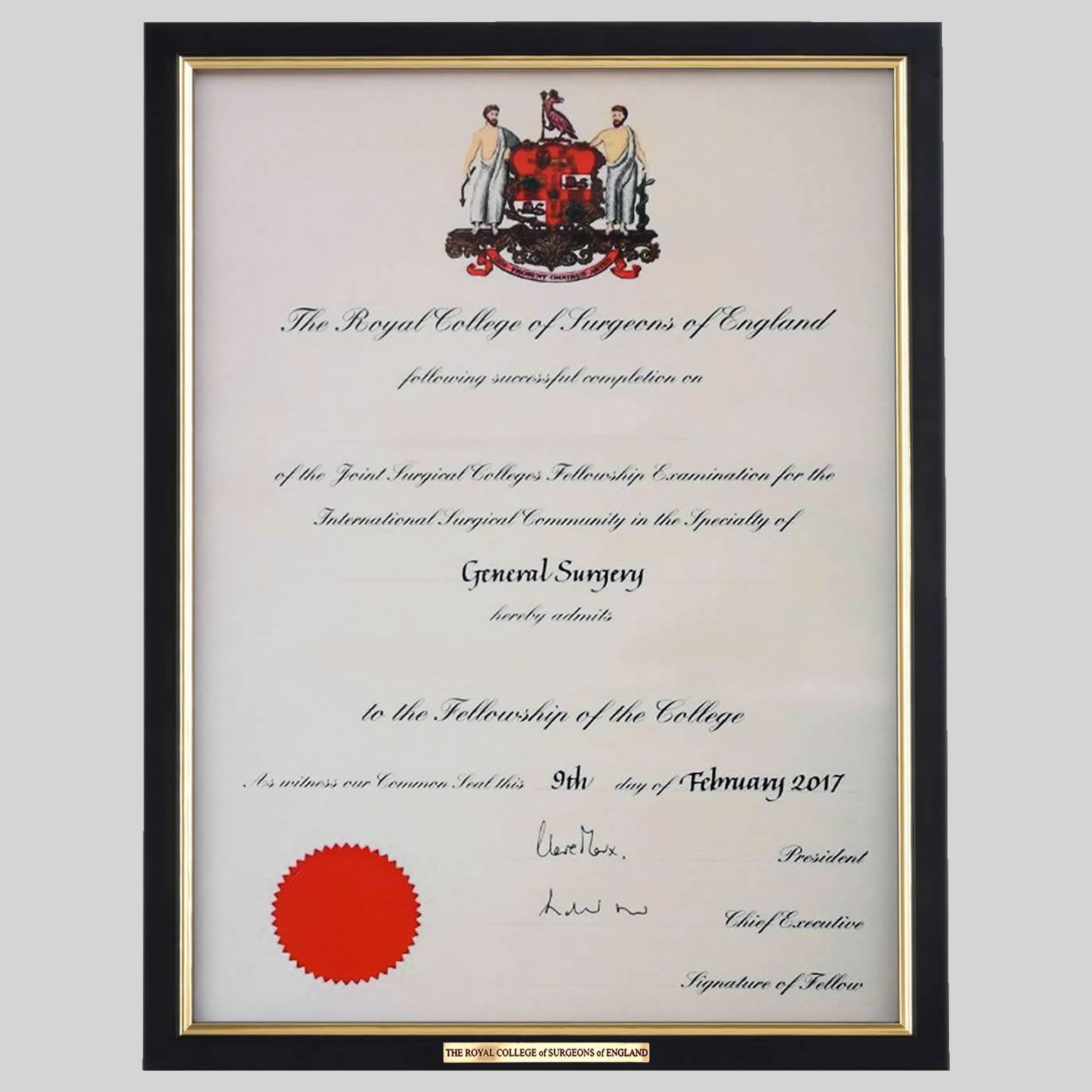
MRCS for International Medical Graduates
Membership of the Royal Colleges of Surgeons for Overseas Doctors (MRCS)
MRCS Guide for Overseas Doctors: Complete Pathway to GMC Registration in the UK
Membership of the Royal College of Surgeons (MRCS Part B Complete Guide) is an intercollegiate exam for surgical trainees who wish to become a member of one of the four surgical royal colleges in the UK and Ireland. MRCS for International Medical Graduates. Award of this postgraduate diploma indicates that you have the necessary knowledge, experience and clinical competence to complete core training and progress to specialty training and be recognized to work any where in the world as a top MRCS Part B Complete Guide with a MRCS Part B Complete Guide
Understanding the MRCS for International Medical Graduates
If you gained your primary medical qualification outside the UK and plan to pursue a surgical career, the MRCS examination is an essential step. This complete MRCS guide for overseas doctors explains the exam structure, eligibility requirements, online application process, and GMC registration pathway. In addition, it compares MRCS with PLAB and MRCS Part B Complete Guide to help you choose the right route.
Doctors practicing medicine in the UK must hold GMC registration with a license to practice. Therefore, international medical graduates must prove they possess the required clinical knowledge and surgical skills. Passing both MRCS Part A and MRCS Part B provides this evidence and supports GMC registration.
Moreover, the MRCS examination is open to overseas doctors who meet the eligibility criteria.
What Is the MRCS Examination?
The Membership of the Royal Colleges of Surgeons (MRCS) is a postgraduate surgical qualification. It assesses the knowledge, clinical competence, and practical skills expected from surgical trainees.
The MRCS includes two separate examinations:
MRCS Part A – Written Examination
MRCS Part B – Objective Structured Clinical Examination (OSCE)
Candidates must pass Part A before applying for Part B. Furthermore, both parts must be completed successfully before membership can be awarded by one of the four Royal Colleges of Surgeons of Great Britain and Ireland.
As a result, successful candidates receive the prestigious MRCS qualification and become eligible for further surgical training opportunities.
MRCS Part A: Written Examination Structure
The MRCS Part A examination is a five-hour multiple-choice assessment. It evaluates applied basic sciences and principles of surgery in general.
The exam contains two separate papers.
Paper 1 – Applied Basic Sciences
* Exam Time: Morning session
* Duration: Three hours
* Structure: Two 90-minute sections with a 10-minute comfort break
* Number of Questions: 180 multiple-choice questions
This section focuses on anatomy, physiology, pathology, microbiology, and surgical sciences. Therefore, candidates must build a strong theoretical foundation before attempting the exam.
Paper 2 – Principles of Surgery in General
* Exam Time: Afternoon session
* Duration: Two hours
* Number of Questions: 120 multiple-choice questions
This paper assesses surgical principles, perioperative care, trauma management, and clinical decision-making. In addition, it tests the candidate’s ability to apply surgical knowledge in real clinical situations.
How to Prepare Effectively for MRCS Part A
Preparation plays a major role in achieving success in the MRCS examination. Therefore, candidates should create a structured study schedule and practice consistently.
Many doctors use revision guides, mock tests, and online question banks to strengthen their preparation. Furthermore, adaptive learning platforms improve performance by identifying weak areas.Understanding the MRCS for International Medical Graduates
An AI-powered MRCS Part A question bank can provide:
* Thousands of practice questions
* Detailed explanations and feedback
* Performance tracking tools
* Further reading recommendations
* Flexible subscription plans
Consequently, candidates can improve accuracy, confidence, and time management before exam day.
MRCS Part B: OSCE Examination
After passing Part A, candidates become eligible for MRCS Part B. This practical examination assesses communication skills, clinical examination techniques, procedural knowledge, and patient management.
The OSCE format involves multiple stations where candidates interact with patients, examiners, and clinical scenarios.
Common areas assessed include:
* Surgical anatomy
* Clinical examination
* Communication skills
* Procedural skills
* Applied surgical science
* Patient safety and professionalism
Because the exam is highly practical, candidates should focus on hands-on preparation and structured clinical practice.
MRCS and GMC Registration
GMC registration is mandatory for all doctors working in the UK. Overseas doctors must demonstrate safe and effective medical practice standards before registration approval.
Passing MRCS Part A and Part B is one recognized pathway for demonstrating competency. Therefore, many international medical graduates choose MRCS to advance their surgical careers in the UK.
However, candidates should also ensure they meet additional GMC requirements, including:
* English language proficiency
* Primary medical qualification verification
* Good standing certificates
* Identity documentation
Meeting these requirements strengthens the GMC registration process significantly.
MRCS vs PLAB: Which Pathway Is Better?
Many overseas doctors compare MRCS with PLAB when planning a UK medical career.
PLAB Pathway
PLAB is designed for doctors seeking general GMC registration. It focuses on basic clinical competence for non-specialist practice.
Best For:
* Doctors pursuing non-surgical careers
* General medical practice pathways
* Entry into UK and worldwide clinical work quickly with our recognized certificates
MRCS Pathway
MRCS is a specialist surgical qualification. It demonstrates advanced surgical knowledge and clinical competence.
Best For:
* Doctors pursuing surgery in the UK for international recognition Membership card
* Surgical training applications
* Career progression in surgery
Therefore, candidates interested in surgery often choose MRCS over PLAB.
MRCS vs FRCS: Understanding the Difference
The MRCS and FRCS examinations serve different stages of surgical training.
MRCS
* Entry-level postgraduate surgical qualification
* Required for surgical training progression
* Focuses on core surgical competencies
FRCS
* Advanced surgical qualification
* Taken after higher specialist training
* Assesses consultant-level expertise
As a result, MRCS acts as the foundation, while FRCS represents advanced specialist achievement.
Why Overseas Doctors Choose MRCS
Many international medical graduates prefer MRCS because it strengthens surgical career opportunities globally.
Key advantages include:
* International recognition
* Enhanced surgical credibility
* Better training opportunities
* Improved GMC registration prospects
* Competitive advantage in surgical applications
Moreover, MRCS demonstrates commitment, discipline, and advanced surgical capability.
Final Thoughts on the MRCS Journey
The MRCS examination remains one of the most respected surgical qualifications for overseas doctors. It provides a structured pathway toward GMC registration and surgical career progression in the UK.
Although the process requires dedication, effective preparation improves success significantly. Therefore, candidates should combine focused revision, practical training, and regular question practice throughout their preparation journey.
With proper planning and determination, international medical graduates can successfully complete the MRCS and build rewarding surgical careers in the UK.
MRCS Part B – OSCE
The MRCS Part B is an objective structured clinical exam (OSCE) consisting of 17 examined stations, each lasting nine minutes.
It assesses the following areas:
- Anatomy and surgical pathology
- Applied surgical science and critical care
- Clinical and procedural skills
- Communication skills
For more information, our MRCS Part B Complete Guide covers everything from exam dates to the question types and how to pass. Our MRCS Part B question bank will help you prepare effectively with professionally written exam questions, answer explanations and ‘Station Summaries’ to further your knowledge of the topic areas. Again, we have various subscription options to suit your revision timescale.Understanding the MRCS for International Medical Graduates
MRCS online application
To be eligible for the MRCS exam, if you qualified outside of the UK or Ireland, you must hold a primary medical qualification which is accepted by the Councils of the colleges. The Intercollegiate MRCS Exam website provides further guidance on this and how to check if your medical qualification is acceptable.MRCS for International Medical Graduates
Your application for the MRCS must be made via the relevant individual Royal College of Surgeons’ website – either the Royal College of Physicians and Surgeons of Glasgow; the Royal College of Surgeons of Edinburgh; the Royal College of Surgeons of England; or the Royal College of Surgeons of Ireland – through which you want to take the exam. The MRCS is an intercollegiate exam, so you’ll take the same exam regardless of which college you choose to book with.
The deadlines for applying for the upcoming MRCS Part A exams are listed in the section below, as well as information relating to the MRCS Part B exams.
MRCS Part A dates and locations
The MRCS Part A exam is held three times per year, in January, April and September. The upcoming 2026 exam dates, application deadlines and fees for the MRCS Part A can be found in the table below:
The MRCS Part A is delivered in Pearson Vue test centres at various locations within the UK, Ireland and internationally.Understanding the MRCS for International Medical Graduates
MRCS Part B dates and locations
Examination dates and locations vary for MRCS Part B, depending on the Royal College you choose; you can find more information and book your exam on their individual websites (remember you can only do this after you have successfully passed Part A). The closing date for applying for the exam is usually approximately three months prior, as with Part A of the exam.MRCS for International Medical Graduates
The upcoming 2026 exam dates can be found in the table below:
PLAB vs MRCS
As with the MRCS, passing the Professional and Linguistic Assessments Board (PLAB) exam can be used as evidence that you have the required knowledge and skills to practise medicine within the UK, and is an alternative route for applying for GMC registration. Whether you choose to undertake the PLAB or MRCS will not affect your GMC registration, but there are a number of factors that you may wish to consider when deciding.Both the PLAB and MRCS are sufficient for securing a job within the NHS (following successful registration with the GMC). However, MRCS is required for most surgical specialties and is a more appropriate route if you’re looking to undertake a specialist training post in surgery while working in the UK or more senior roles. You can find more information on surgical training in the relevant section below.The difference in cost may also be a consideration. At face value, the total cost of the PLAB exams is cheaper than MRCS; however, as PLAB 2 must be completed at the clinical assessment centre in Manchester (UK), and the MRCS Part B is limited in its examination locations, you may incur additional travel costs on top of the exam fees.Additionally, how much experience you have may be a deciding factor in which exam you opt for. You can take both the PLAB and MRCS immediately after graduating from medical school, provided you meet the eligibility criteria; however, the MRCS candidate guidance recommends that you undertake MRCS Part A in Specialty/Core Training Year 1 (ST/CT1), which is two years after graduation, and Part B in Specialty/Core Training Year 2 (ST/CT2). Therefore, more experience is preferable if considering the MRCS to ensure that you’re not at a disadvantage.Your aspirations for the role/route you’ll take whilst working in the NHS will possibly be the biggest consideration. However, factors such as cost and how much experience you have may also help you decide which is more suitable, PLAB or MRCS.To find out more about the PLAB, visit our PLAB Guide 2026/2027 and PLAB Pathway / Route blogs, or the PLAB section of our website.
FRCS vs MRCS
As with the PLAB or MRCS consideration, the choice whether to complete the Fellowship of the Royal College of Surgeons (FRCS) will depend on your role aspirations; however, your experience will also be a significant factor, as further training and experience is required to be eligible for the FRCS.Successful completion of the MRCS – in addition to meeting other requirements – is essential for entry onto specialty training (ST3 and beyond). Specialty training is the final stage of surgical training before obtaining your Certificate of Completion of Training (CCT), granting you entry to the Specialist Register and allowing you to practise as a substantive consultant surgeon in the NHS. Successful completion of the FRCS exam, however, is an essential requirement for the award of CCT. Surgeons are eligible to take the FRCS exam at the end of their surgical training. The Royal College of Surgeons of England confirms that, if you trained outside of the UK, it’s not necessary to complete the FRCS to work as a consultant within the NHS. However, you are required to gain entry to the specialist register, which can be achieved via the Certificate of Eligibility for Specialist Registration (CESR) route, and the FRCS may help you with this process.The following section has more information on the standard surgical training route.Understanding the MRCS for International Medical Graduates.MRCS for International Medical Graduates
UK surgical training scheme
The following is the standard training route for surgery within the UK:
- Medical school – 5-6 years
- Foundation training – 2 years
- Core surgical training (CT / ST) – 2 years
- Specialty training (ST3+) – approximately 6 years
- This is the point at which completion of the MRCS examination is required, in addition to other entry criteria.
- Following completion, you’ll be eligible to undertake the FRCS exam.
- Senior medical appointment
- At this point, you’re required to have attained CCT or CESR, before being added to the GMC’s specialist register and being eligible to apply for a consultant post or a fellowship for further, more specialised training.
Although this is the most common route, alternative paths are available, and ‘those who have completed training abroad or not followed the traditional UK pathway can enter training at various points’ provided you can evidence equivalent clinical and professional competencies.The Royal College of Surgeons of England provides further details on every step of the standard surgery training route, including usual entry requirements for each stage.Understanding the MRCS for International Medical Graduates,MRCS for International Medical Graduates
Salary after MRCS in UK
After successfully completing the MRCS, your expected salary will depend on the role you secure. Passing the MRCS will provide you with a postgraduate diploma and allows you to apply for specialty training (ST3+), provided you also have the relevant experience; however, this is not guaranteed, particularly if you have no previous experience working for the NHS, and a more junior and/or non-training role may be more likely in the first instance. The BMA provides full details of the basic pay scales for junior doctors in training in England and is useful for comparing salary expectations for different grades within the NHS.Membership of the Royal College of Surgeons (MRCS) is an intercollegiate exam for surgical trainees who wish to become a member of one of the four surgical royal colleges in the UK and Ireland. Award of this postgraduate diploma indicates that you have the necessary knowledge, experience and clinical competence to complete core training and progress to specialty training and be recognized to work any where in the world as a top medical professional surgeon with an MRCS License from UK and Ireland.MRCS for International Medical Graduates
GMC registration after MRCS
Once you have passed both parts of the MRCS, you can apply for GMC registration with a licence to practise medicine in the UK. Once the GMC has approved this, you can work as a doctor within the UK. For more information about the MRCS, including preparing for the exam, tips for revising and resources to use, visit our ‘MRCS Part A Complete Guide’, ‘MRCS Part B Complete Guide’ and ‘4 Most Common Mistakes Made by MRCS Candidates